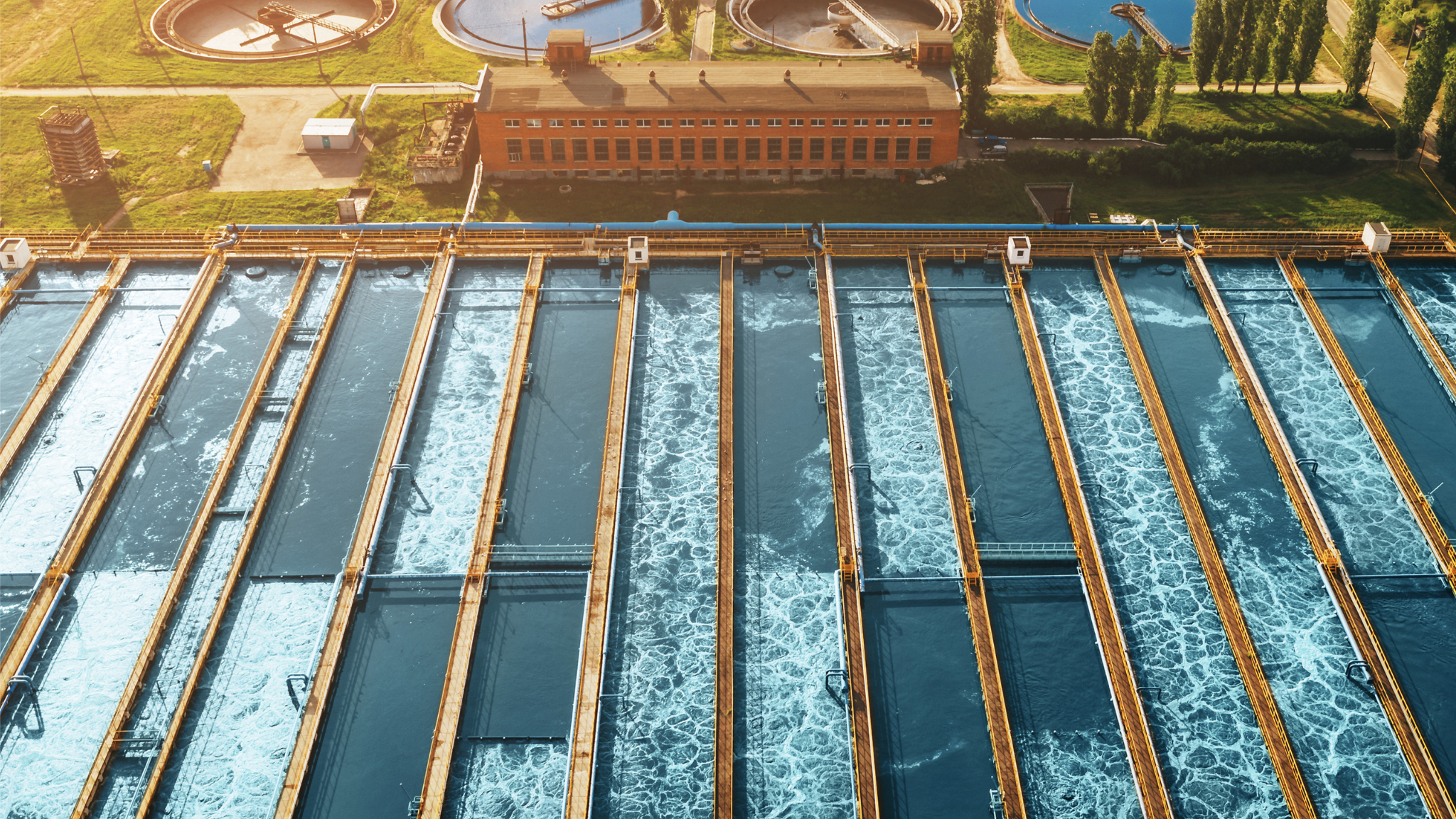
Aeration is one of the most important and energy-intensive processes in biological wastewater treatment. It provides the oxygen microorganisms need to break down organic pollutants and accounts for a significant proportion of a treatment plant’s operating costs.
According to Rosso et al. (2008), aeration can account for 45-75% of the total energy consumed by a wastewater treatment plant. The choice of aeration system therefore has a direct impact on both biological treatment performance and operating costs.
In this article, we compare ESMIL Fiber Tube Diffusers with conventional membrane diffusers, looking at the main differences in their design, oxygen transfer efficiency and the practical considerations involved in operation and maintenance.
Why Do Most Modern Wastewater Treatment Plants Use Fine-Bubble Diffusers?
Fine-bubble aeration systems produce small air bubbles, typically 1-3 mm in diameter. Compared with coarse-bubble systems, they provide higher oxygen transfer efficiency, making them the most widely used option in biological wastewater treatment today.
Several factors contribute to their higher oxygen transfer efficiency:
- Larger gas-liquid contact area, which increases the rate of oxygen transfer.
- Longer contact time between air bubbles and wastewater, allowing more oxygen to dissolve.
- More efficient use of the supplied air, which can help reduce the energy consumption of the aeration system.
However, bubble size is not the only factor affecting overall system efficiency. Diffuser design, the material used for the aerating element and the way air is distributed also play important roles. These are some of the key differences between membrane and tubular diffusers.
Membrane vs Tube Diffusers – Key Design Differences
To better understand how the two types of diffusers differ, we’ve compared the main design features of conventional membrane diffusers and ESMIL Fiber Tube Diffusers
| Feature | Membrane Diffusers | ESMIL Fiber Tube Diffusers |
|---|---|---|
| Aeration element | Flexible perforated membrane | Perforated inner tube surrounded by an outer fibroporous disperser |
| Bubble formation | Air pressure causes the micro-perforations in the flexible membrane to expand | Air passes through the rigid fibroporous structure of the disperser |
| Aeration element material | Silicone / EPDM | PVC (perforated inner tube) + LDPE (disperser) |
| Fouling resistance | Low / depends on membrane type and operating conditions | High, due to the low adhesion properties of the material |
| Susceptibility to material ageing | The membrane gradually loses elasticity and may crack over time | No loss of elasticity associated with material ageing |
| Maintenance | Periodic cleaning and membrane replacement, depending on operating conditions | No need for periodic replacement of the aeration element; cleaning is generally not required |
Oxygen Transfer Efficiency
One of the key parameters used to evaluate aeration system performance is Standard Oxygen Transfer Efficiency (SOTE). It indicates the percentage of oxygen supplied to the system that dissolves in the water under standard test conditions.
Several factors affect oxygen transfer efficiency, including:
- Air bubble size
- Diffuser submergence depth
- Airflow rate
- Diffuser arrangement within the tank
- Properties of the aeration element
ESMIL Fiber Tube Diffusers produce fine air bubbles ranging from 0.5 to 3.0 mm in diameter, providing high oxygen transfer efficiency and uniform aeration along the entire diffuser length. Their large active aeration surface can also reduce the number of diffusers needed to achieve the required system capacity.
In practice, one metre of ESMIL Fiber Tube Diffuser can provide an airflow capacity comparable to approximately 2-3 conventional disc diffusers, reducing the total number of aeration elements required. However, the actual ratio depends on the specifications of the diffusers being compared and the system’s operating conditions. These factors should always be considered when selecting and sizing aeration equipment.
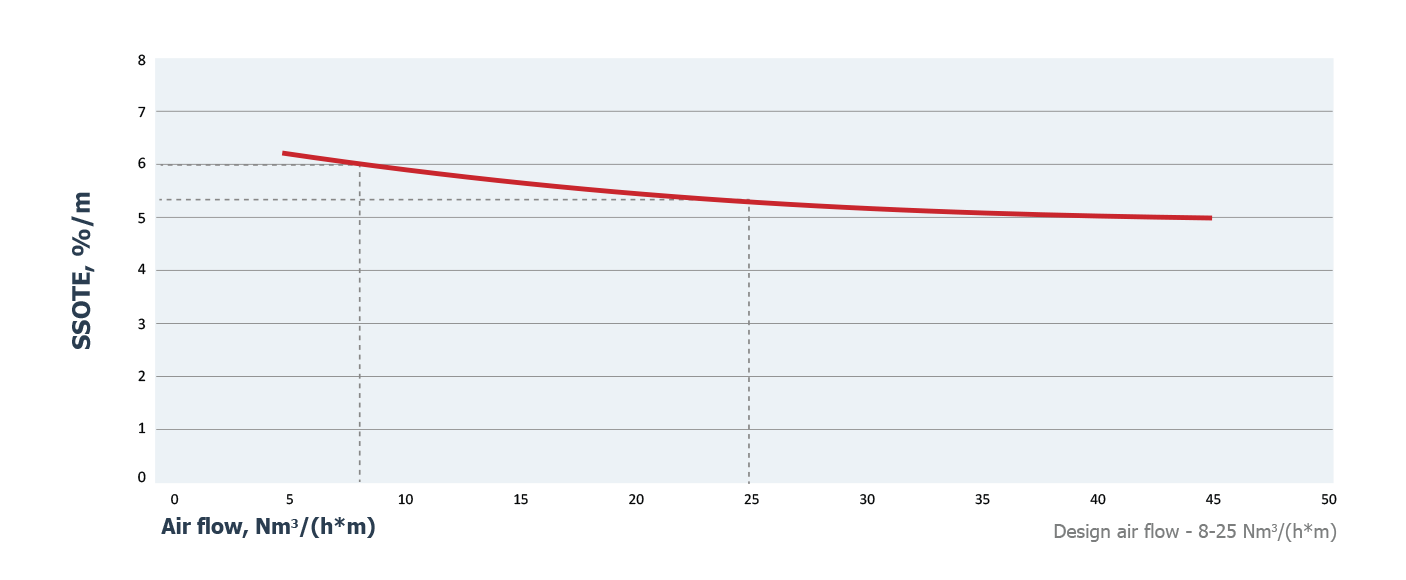
Fig. 1. Standardised Oxygen Transfer Efficiency (SSOTE) of ESMIL Fiber Tube Diffusers
Changes in Oxygen Transfer Efficiency (SOTE) Over Time
In conventional membrane diffusers, oxygen transfer efficiency may gradually decline over time. This is mainly due to the accumulation of deposits and biofilm, partial blockage of membrane perforations and changes in the membrane’s properties as it ages. Periodic cleaning can help restore performance to some extent, but as the material deteriorates, the membranes eventually need to be replaced.
ESMIL Fiber Tube Diffusers are designed to maintain consistent performance over long periods of operation. The fibroporous disperser material helps minimise fouling, while the absence of an elastomeric membrane eliminates issues associated with the loss of membrane elasticity. As a result, oxygen transfer efficiency remains stable over time.
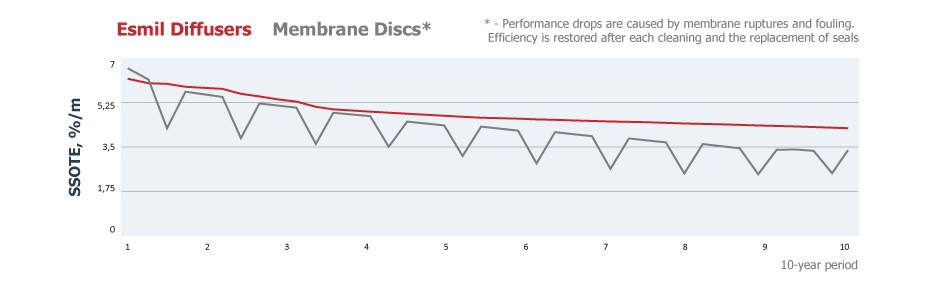
Fig. 2. Comparison of Changes in SSOTE Over Time for ESMIL Fiber Tube Diffusers and Membrane Diffusers
Pressure Loss Over Time
One of the factors affecting aeration system energy consumption is increased resistance to airflow, which leads to higher pressure loss across the diffusers. This can be caused by several factors:
- Accumulation of inorganic deposits and biofilm on the aeration element
- Partial blockage or fouling of the pores through which air is dispersed
- Changes in the properties of the aeration element material (such as loss of membrane elasticity) during long-term operation
In conventional membrane diffusers, the membrane material gradually ages over time. As the membrane loses elasticity, the way its perforations open may change, increasing airflow resistance and reducing diffuser performance. The accumulation of deposits can also cause pressure loss to increase gradually.
ESMIL Fiber Tube Diffusers help minimise these effects through the use of a rigid fibroporous disperser with low surface adhesion properties. This material reduces the accumulation of deposits and biofilm on the diffuser surface, helping to maintain consistent aeration performance and low pressure loss over long periods of operation.
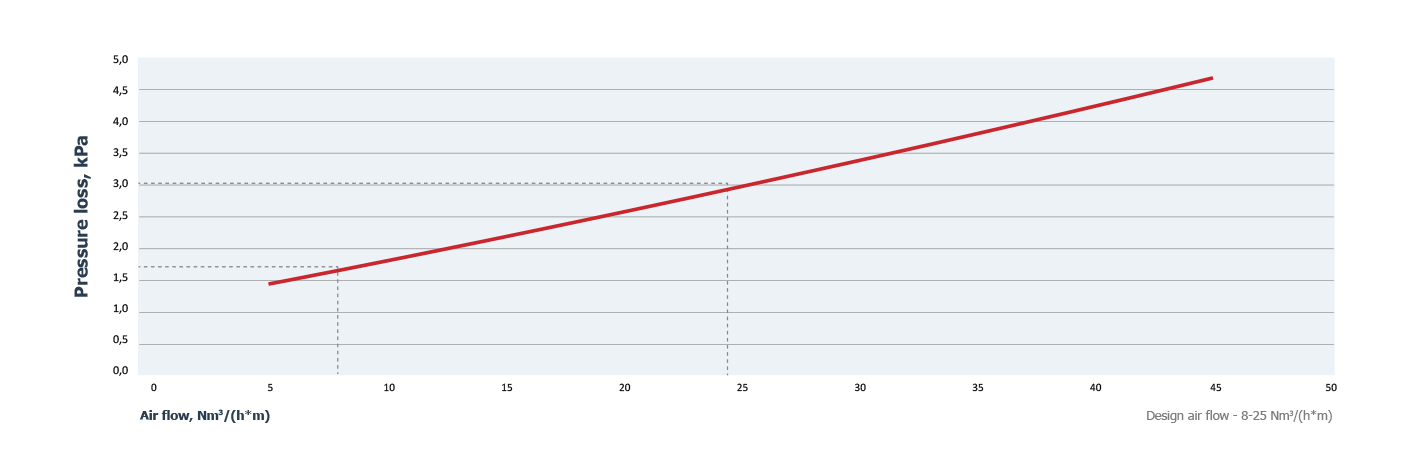
Fig. 3. Pressure Loss in ESMIL Fiber Tube Diffusers
Installation Requirements
The integrated design of ESMIL Fiber Tube Diffusers allows them to serve as both aeration elements and part of the air distribution system. This reduces the number of air manifolds and pipe connections required. As a result, installation is simpler and faster than with conventional membrane diffuser systems, which typically require more extensive air distribution pipework. Fewer installation components and less installation work can help reduce capital expenditure (CAPEX).
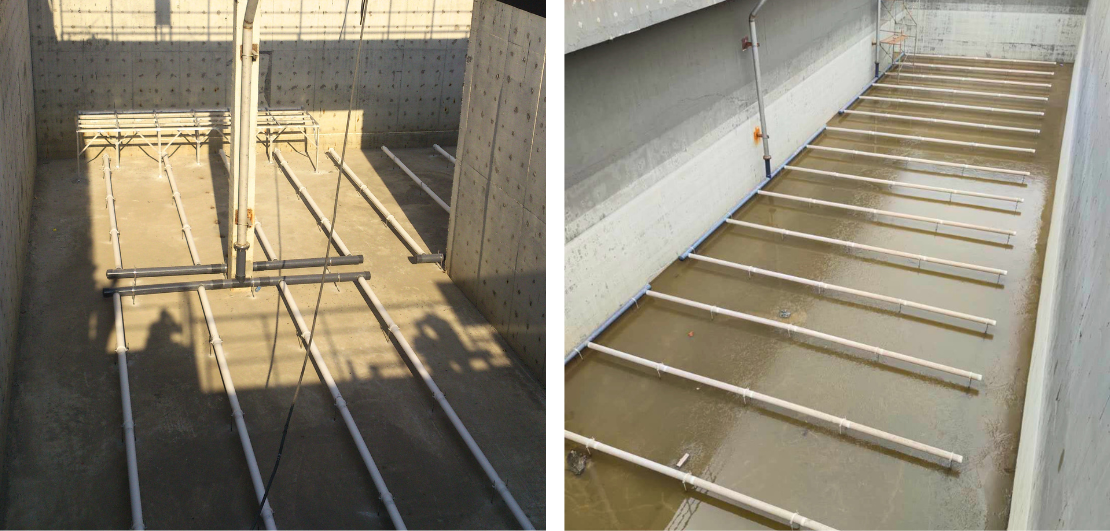
Photo 1. Examples of ESMIL Fiber Tube wastewater aeration system installations.
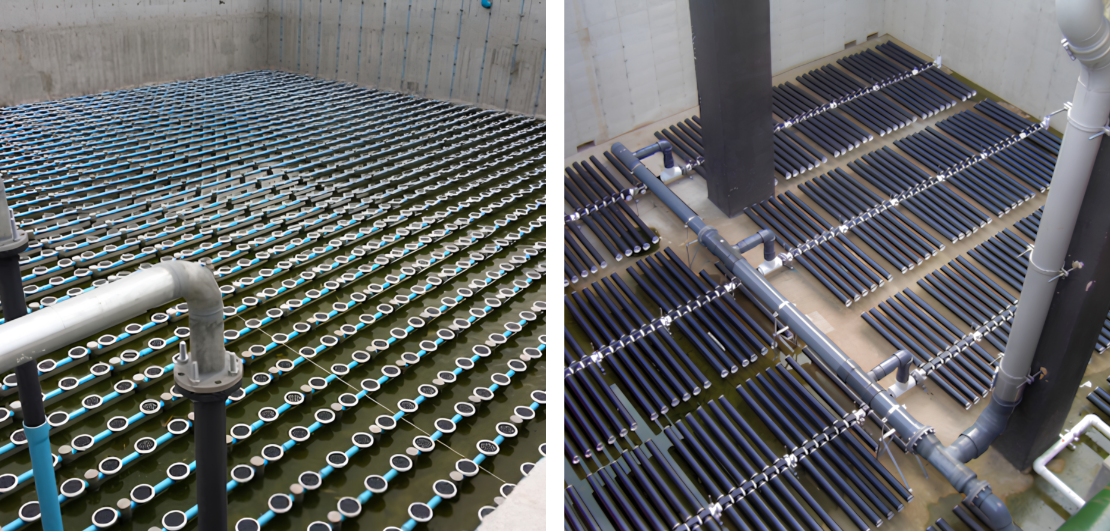
Photo 2. Examples of installations using conventional fine-bubble diffusers with comparable Standardised Oxygen Transfer Efficiency (SSOTE).
Maintenance and Operation
The maintenance requirements of an aeration system directly affect operating costs and the frequency of maintenance-related downtime.
Conventional membrane diffusers require periodic cleaning and membrane replacement due to normal wear and ageing. The scope and frequency of these activities depend on the operating conditions and the characteristics of the wastewater being treated.
ESMIL Fiber Tube Diffusers do not require periodic replacement of the aeration element. Their design also reduces maintenance requirements, helping to minimise servicing needs and maintenance-related downtime.
Conclusion
While both membrane and tube diffusers are used for fine-bubble aeration in wastewater treatment, they differ in design and operating characteristics. These differences affect oxygen transfer efficiency, long-term performance stability, maintenance requirements and overall system operating costs.
ESMIL Fiber Tube Diffusers are designed for long-term operation under demanding conditions. Their construction helps maintain consistent aeration performance over time while reducing maintenance requirements.
The choice of aeration system should be based on a careful assessment of wastewater characteristics, operating conditions and required process performance. Considering these factors is essential to selecting equipment that best meets the needs of a specific wastewater treatment plant.
Key Differences Between Membrane Diffusers and ESMIL Fiber Tube Diffusers
| Feature | Membrane Diffusers | ESMIL Fiber Tube Diffusers |
|---|---|---|
| Aeration element | Flexible membrane with micro-perforations | Fibroporous disperser |
| Oxygen transfer efficiency (SOTE) stability | May decline over time | Consistent performance over long periods of operation |
| Susceptibility to fouling | High (depending on membrane type and operating conditions) | Low (due to the material's low surface adhesion properties) |
| Pressure loss | May increase over time | Low and stable over long periods of operation |
| Maintenance | Periodic cleaning and membrane replacement | No need for periodic replacement of the aeration element; cleaning is generally not required |