Mechanical wastewater treatment is the first and one of the most critical stages of the wastewater treatment process, protecting downstream equipment from damage and operational problems. It is at this stage that raw wastewater first comes into contact with technological infrastructure, including pumps, valves, settling tanks and biological treatment equipment. If solid contaminants are not removed effectively, they can cause blockages, damage pumps, impair equipment performance and lead to costly plant downtime.

Mechanical screens play a key role in this process by removing solids before the wastewater enters subsequent treatment stages. Although all screens serve the same fundamental purpose, they differ in design, operating principle and application. Selecting the right screen has a direct impact not only on screening efficiency but also on the long term operation and maintenance of the entire wastewater treatment plant.

In this article, we present the main types of mechanical wastewater screens, explain their typical applications and highlight the key factors to consider when selecting the most suitable solution for a specific installation.

The role of mechanical wastewater screens in the treatment process

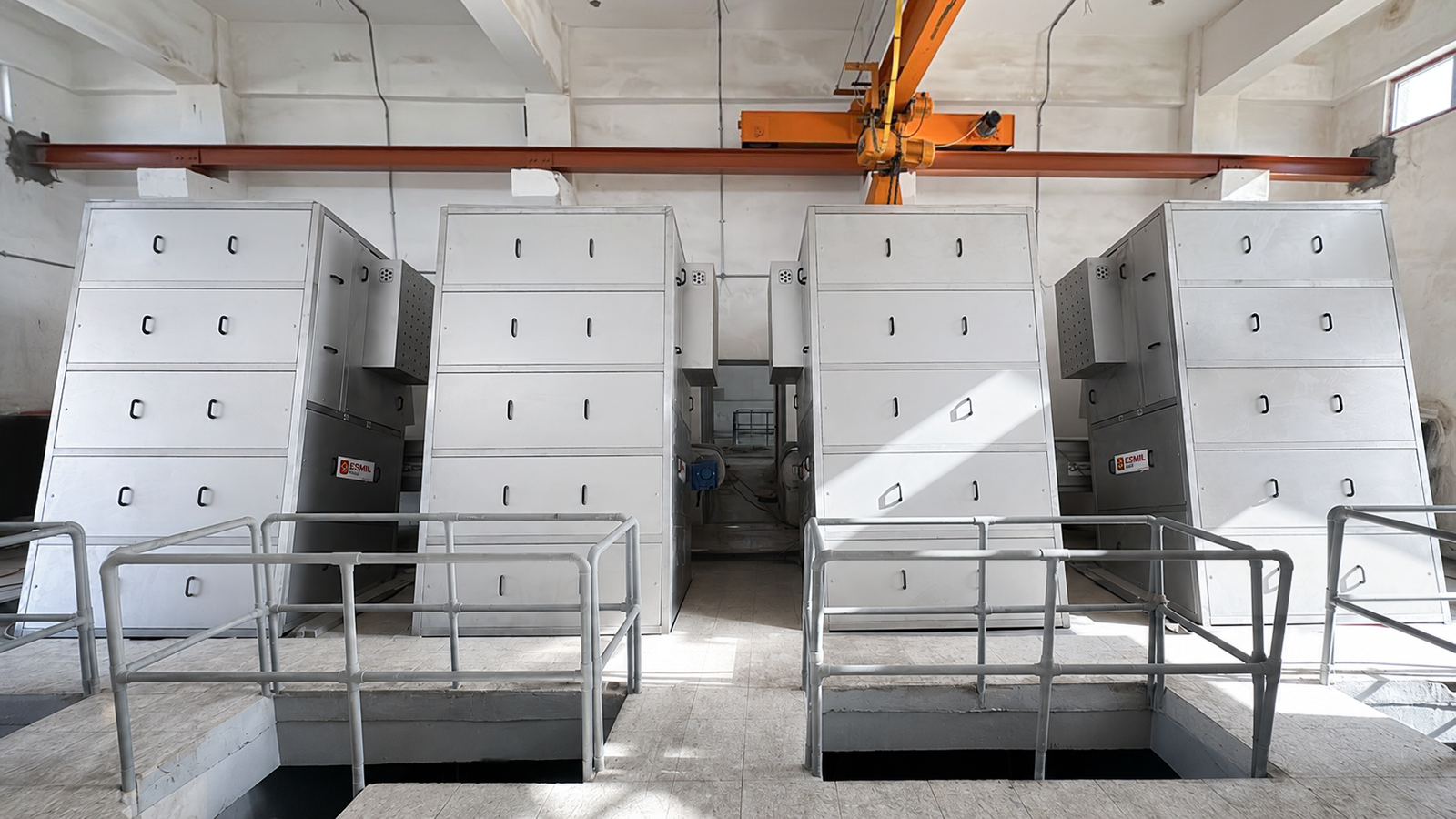
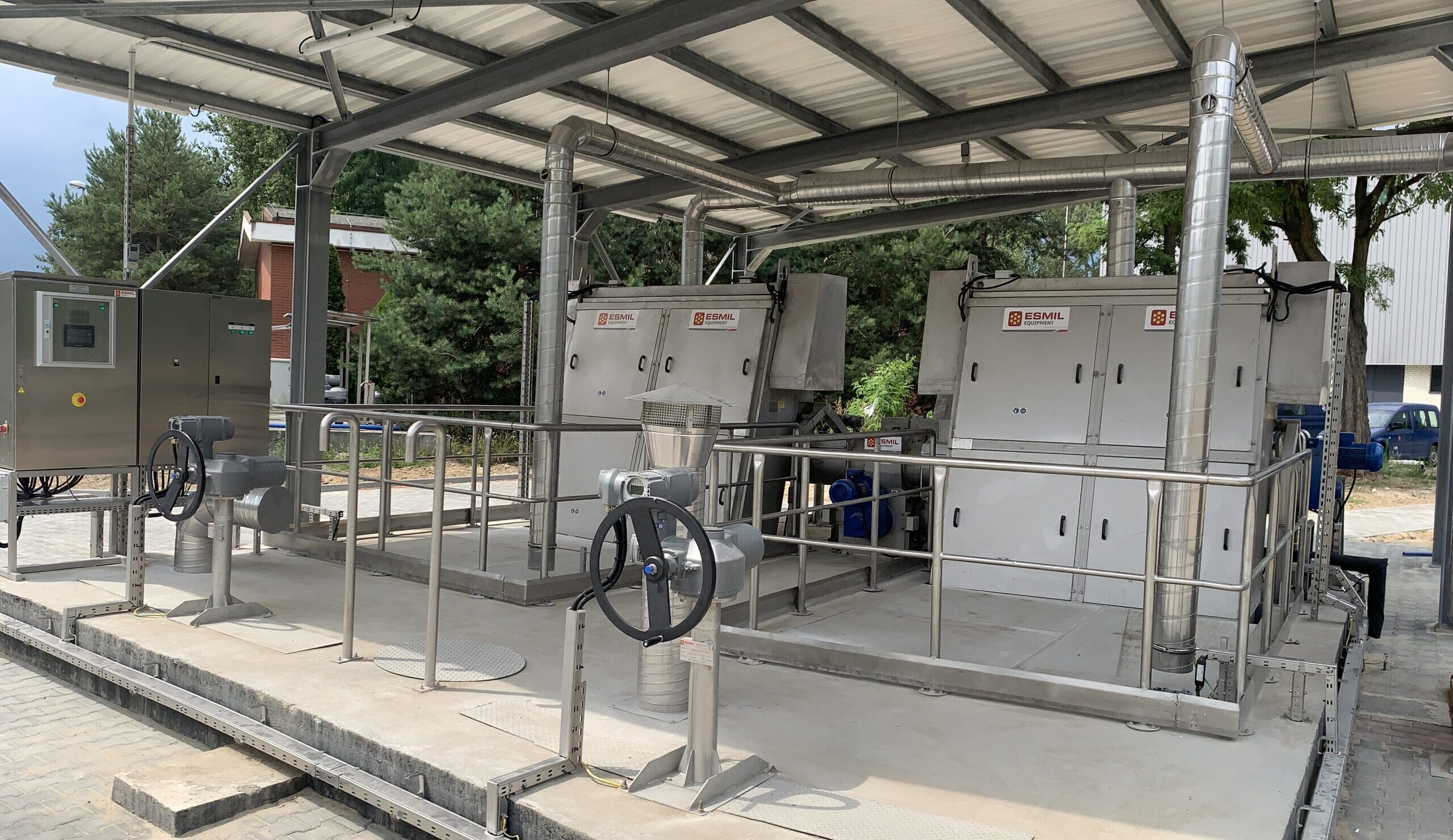
Mechanical screens remove solid contaminants (screenings) from incoming wastewater before it enters subsequent treatment stages. By removing larger debris, they protect pumps, valves and other process equipment from damage and blockages while ensuring the proper operation of downstream treatment processes, including settling tanks and biological reactors. As a result, they contribute to the stable and reliable operation of the entire wastewater treatment plant.

The effectiveness of this stage depends on selecting a screen that matches both the characteristics of the wastewater and the operating conditions of the plant. The type of solids, flow rate, channel geometry and required bar spacing all influence not only screening efficiency but also the performance of downstream treatment equipment.

Types of wastewater screens and their applications

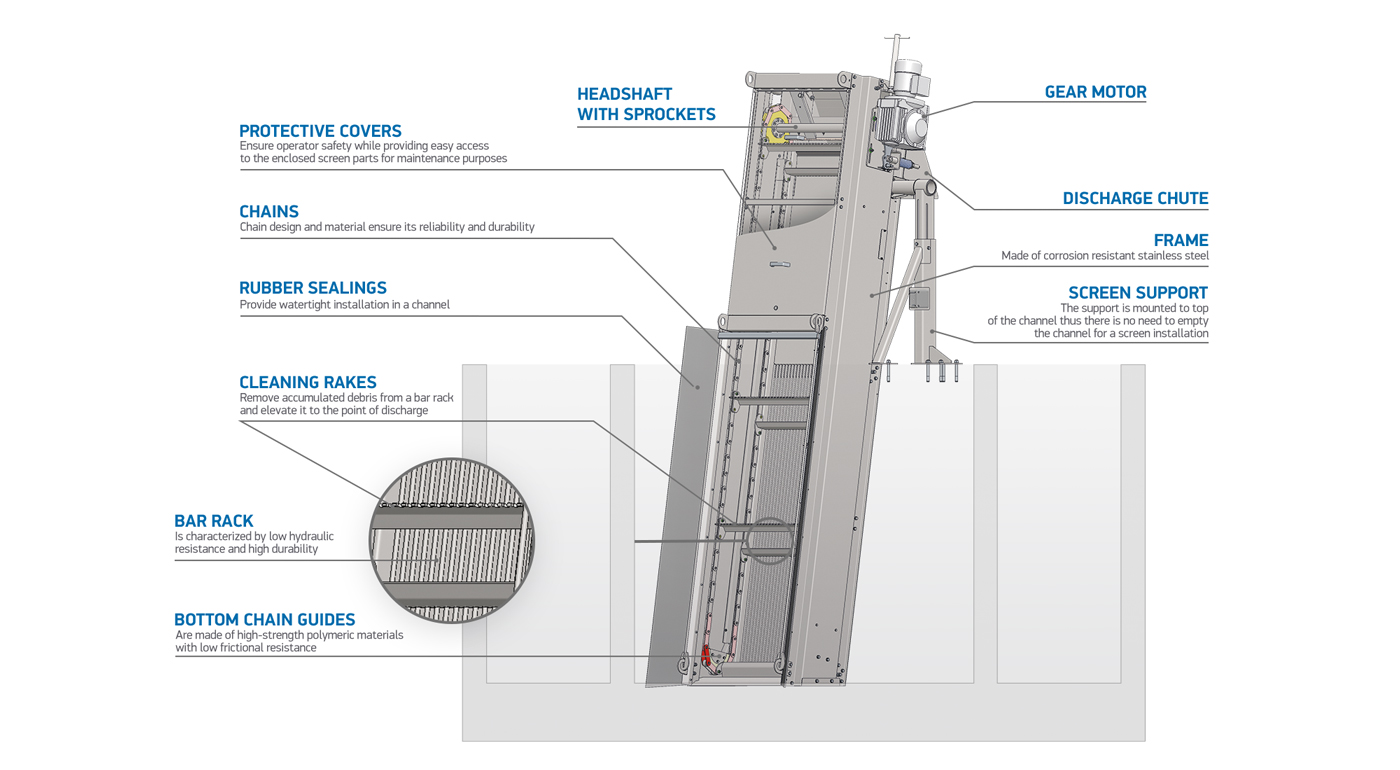
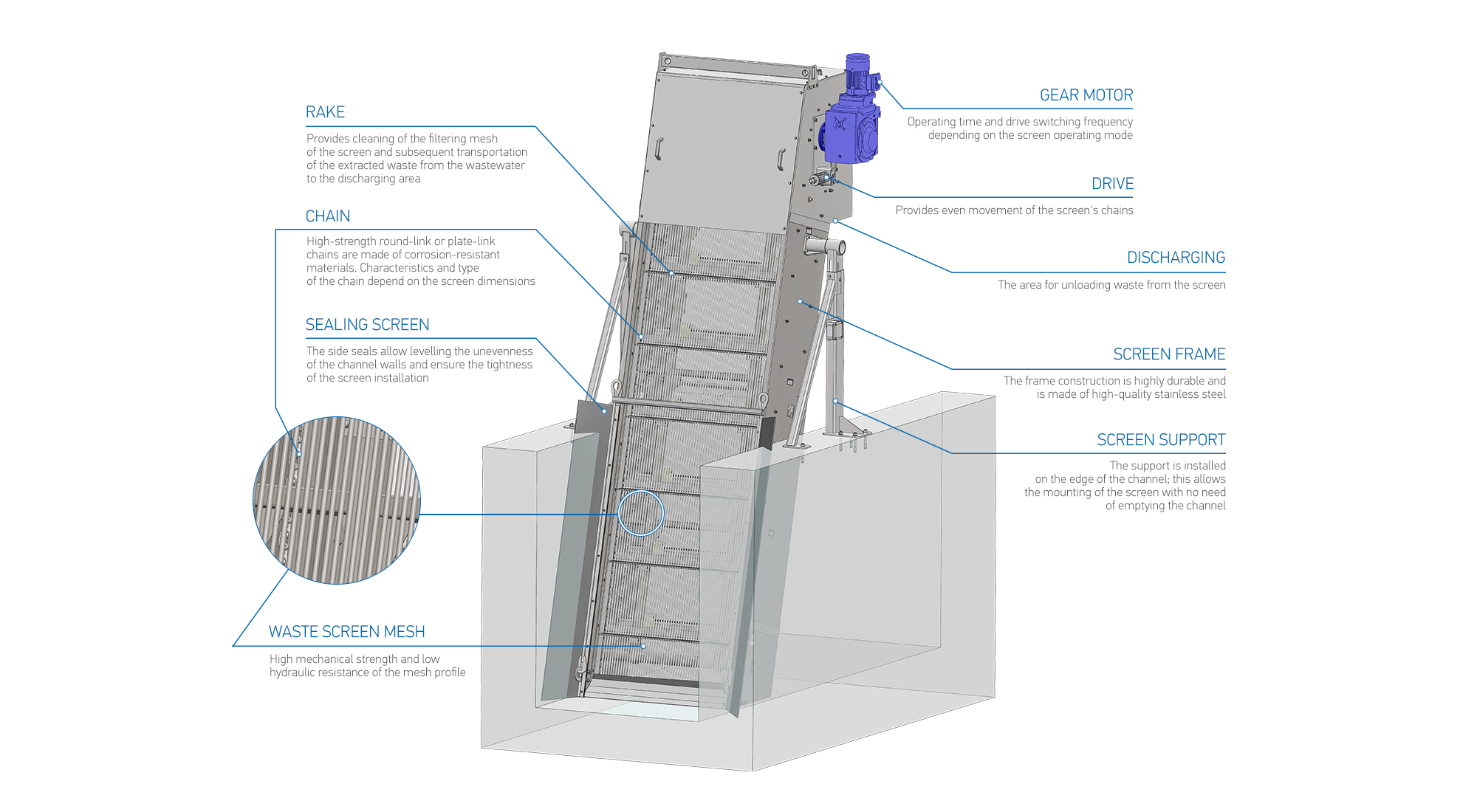
All mechanical wastewater screens operate on the same basic screening principle. Incoming wastewater flows through a screening surface that retains solid contaminants. Depending on the screen design and intended application, the screening surface may consist of parallel bars (including lamellas), wedge wire profiles, perforated plate or mesh. The retained screenings are then removed mechanically by a cleaning mechanism, such as rakes, moving lamellas or a screw conveyor, and transported for further handling.

Although the operating principle is similar across all screen types, each design has been developed for specific operating conditions. The main differences lie in the available bar spacing, resistance to different types of contaminants and suitability for varying hydraulic loads.

The table below summarises the main differences between the wastewater screen types available in the ESMIL product range. It is intended as a general comparison to support the initial selection of the most suitable solution for a given application.

ModelTypeTypical applicationsKey feature
RKE Bar ScreenUniversal (6–60 mm bar spacing)Municipal and industrial applicationsWide range of bar spacings and configurations
KR Catenary ScreenCoarse (10–60 mm bar spacing)Pumping stations and high-flow applicationsapplications
Designed for high hydraulic loads and the removal of large debris
RP Back Raked ScreenCoarse (16–60 mm bar spacing)Wastewater with a high content of fibrous materialsDesign minimises the risk of wrapping and clogging
RM Mini Back Raked ScreenFine (1–10 mm bar spacing)Small channelsEfficient removal of fine solids in a compact design
RSK Step ScreenFine (3–6 mm spacing)Wastewater treatment plants requiring intensive mechanical screeningrequiring intensive mechanical screening
High removal efficiency for fine solids

Bar screens

Typical applications: Pumping stations, municipal wastewater treatment plants and industrial wastewater treatment plants

ESMIL RKE Bar Screens are a versatile solution designed for both municipal and industrial wastewater treatment plants. Thanks to the wide range of available bar spacings and rake configurations, they can be tailored to different operating conditions and wastewater characteristics.
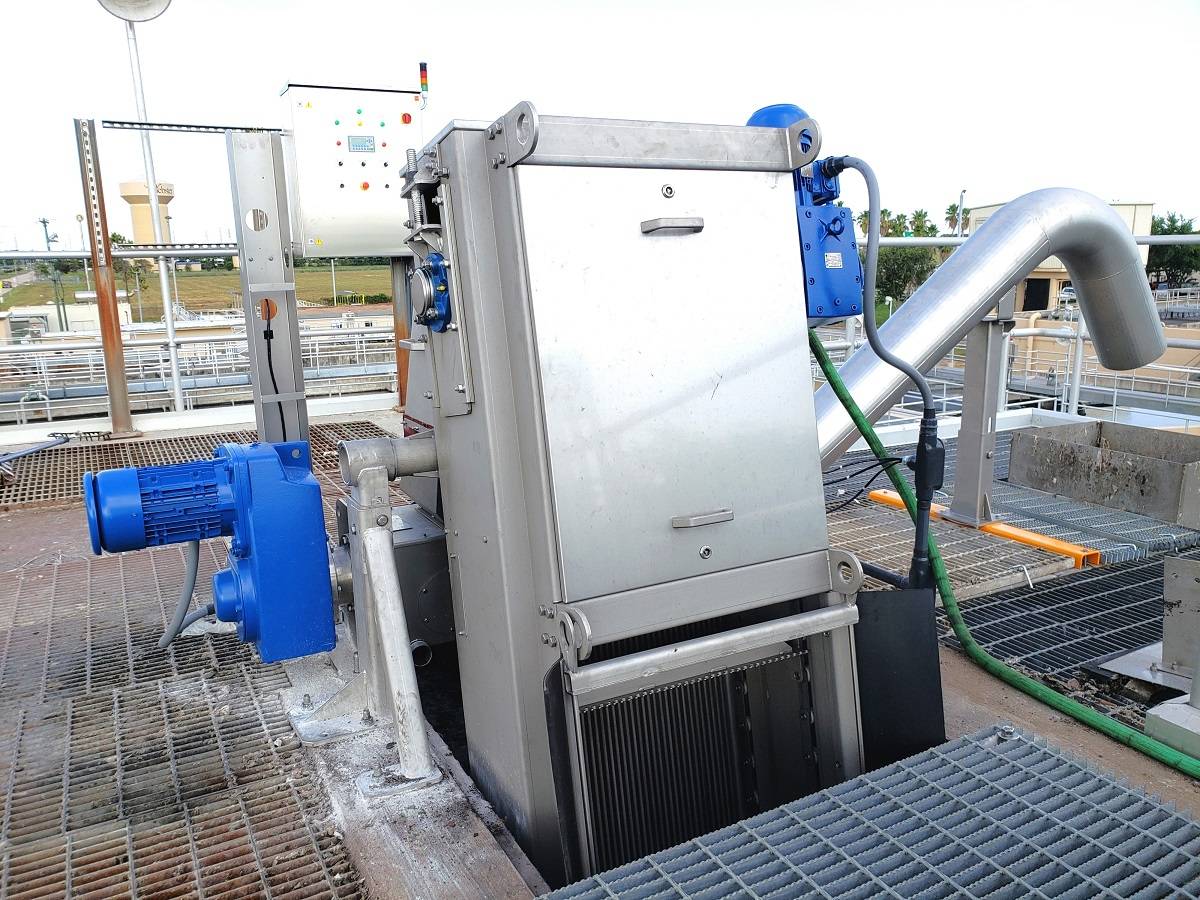
esmil bar screen

ESMIL RKE Bar Screen at the Webster Wastewater Treatment Plant (TX, USA)
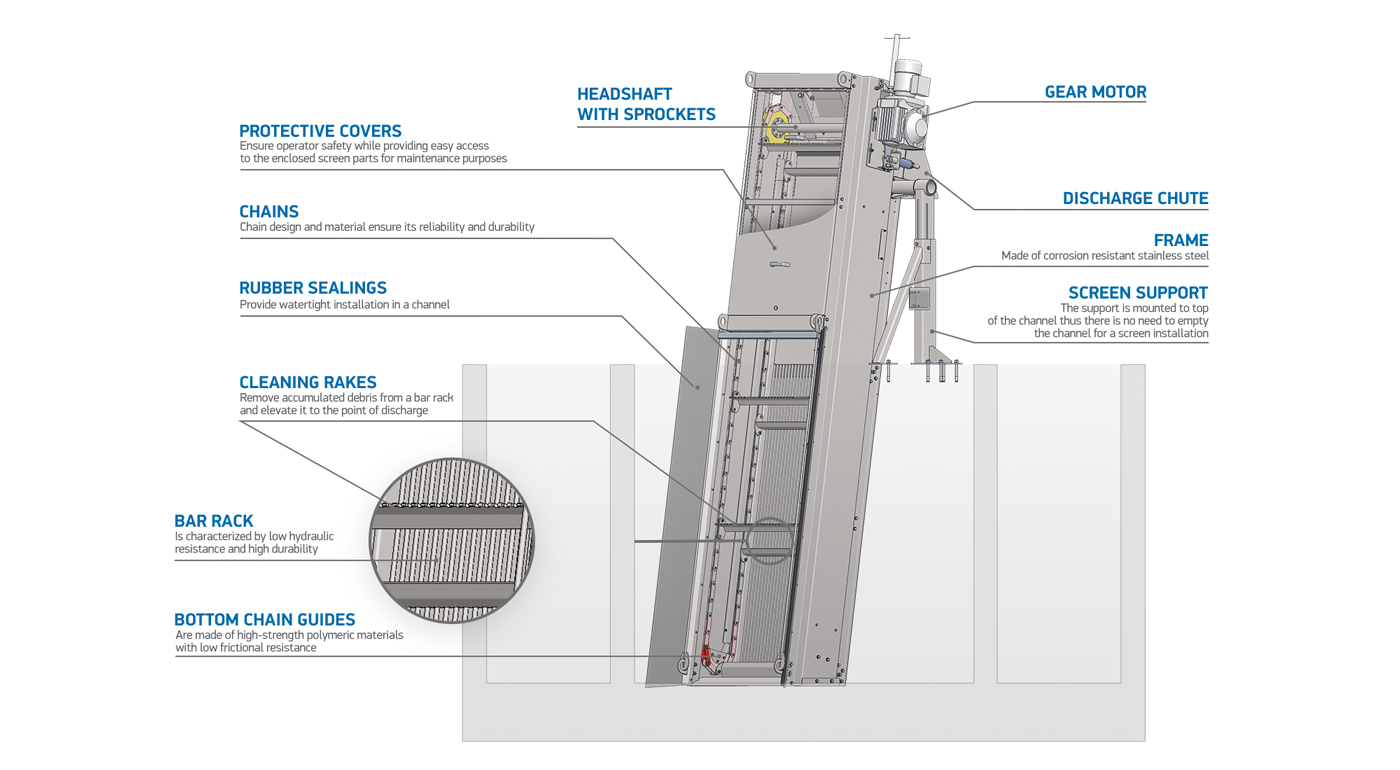
Key design features of ESMIL Bar Screens

  • Flexible configuration allows the rake design and bar spacing to be adapted to the requirements of a specific installation.
  • Teardrop-shaped screen bars reduce hydraulic resistance and minimise the risk of debris becoming trapped.
  • Wear-resistant polymer guides reduce wear on mating components and lower operating costs.

Catenary screens

Typical applications: Water intake stations, open channels, pumping stations, municipal wastewater treatment plants and industrial wastewater treatment plants

ESMIL KR Catenary Screens are designed for applications with high hydraulic loads and deep installation depths. Their robust construction enables reliable operation under high flow conditions while ensuring efficient removal of debris of various sizes and shapes.

ESMIL KR Catenary Screens at the Al-Khadraa Pumping Station in Baghdad (Iraq)

Key design features of ESMIL Catenary Screens

  • Specially designed support chain adapts to the shape of the transported debris, minimising the risk of jamming
  • Reinforced frame provides the structural rigidity required for operation under high hydraulic loads.
  • No lower sprocket, bearings or shaft eliminates components that would otherwise operate submerged, simplifying equipment operation and maintenance.

Back raked screens

Typical applications: Water intake stations, pumping stations, municipal wastewater treatment plants and industrial wastewater treatment plants

ESMIL RP Back Raked Screens are designed for wastewater treatment plants receiving wastewater with a high content of fibrous materials. Their design minimises the risk of fibrous debris wrapping around moving parts or becoming lodged within the mechanism, ensuring reliable operation even under demanding conditions with high screenings loads.

ESMIL RP Back Raked Screens at the Żerań Wastewater Pumping Station (Poland)

Key design features of ESMIL Back Raked Screens

  • Round bar profile reduces hydraulic resistance, increasing the screen’s hydraulic capacity.
  • Reverse rake arrangement minimises the risk of fibrous materials wrapping around the rakes and reduces the likelihood of jamming.
  • Raking mechanism located behind the screening surface operates exclusively in screened wastewater, reducing exposure to debris and minimising the risk of fouling and blockage.

ESMIL Mini Back Raked Screen

Typical applications: Small wastewater treatment plants, water intake stations, pumping stations, small-scale facilities (hotels, hospitals and residential developments) and containerised wastewater treatment plants

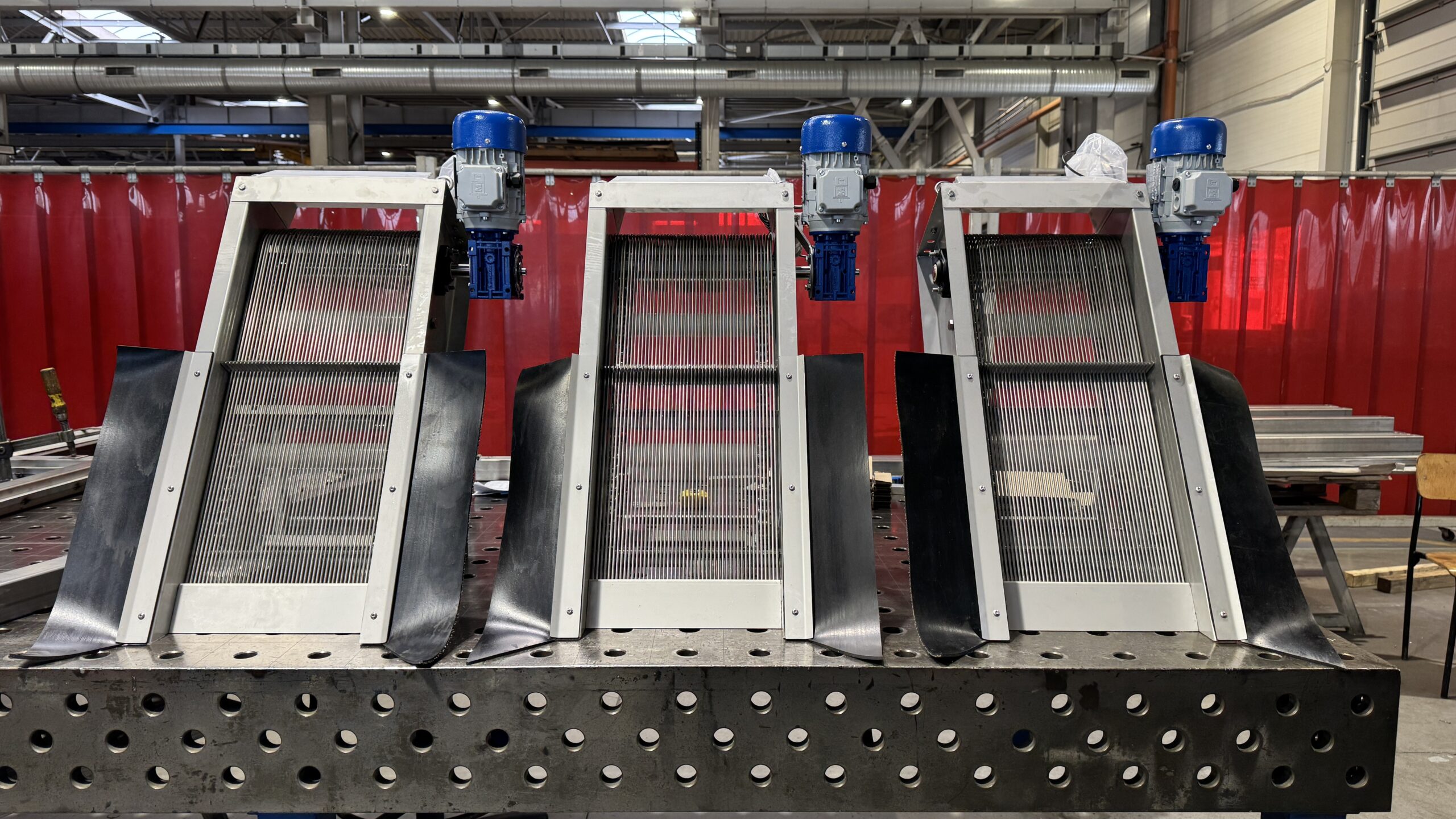
The ESMIL RM Mini Back Raked Screen is a compact version of the RP Bar Screen, developed for applications with lower flow rates and limited installation space. It is designed for the efficient removal of fine solids from small channels. With bar spacings from 1 to 10 mm, it provides high screening efficiency while maintaining a compact footprint and allowing easy integration into existing infrastructure.

ESMIL RM Mini Back Raked Screen

Step screens

Typical applications: Municipal wastewater treatment plants and industrial wastewater treatment plants

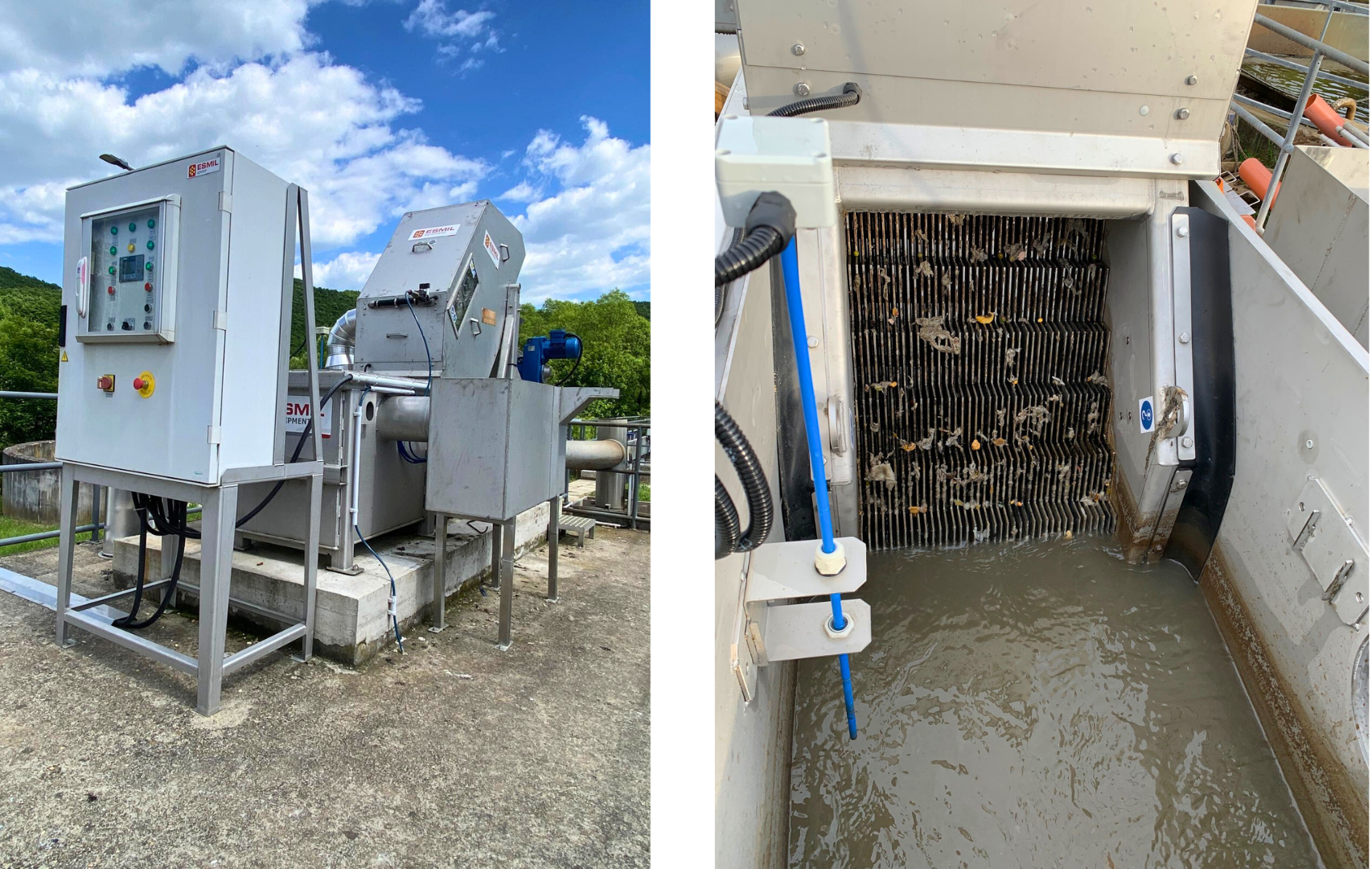
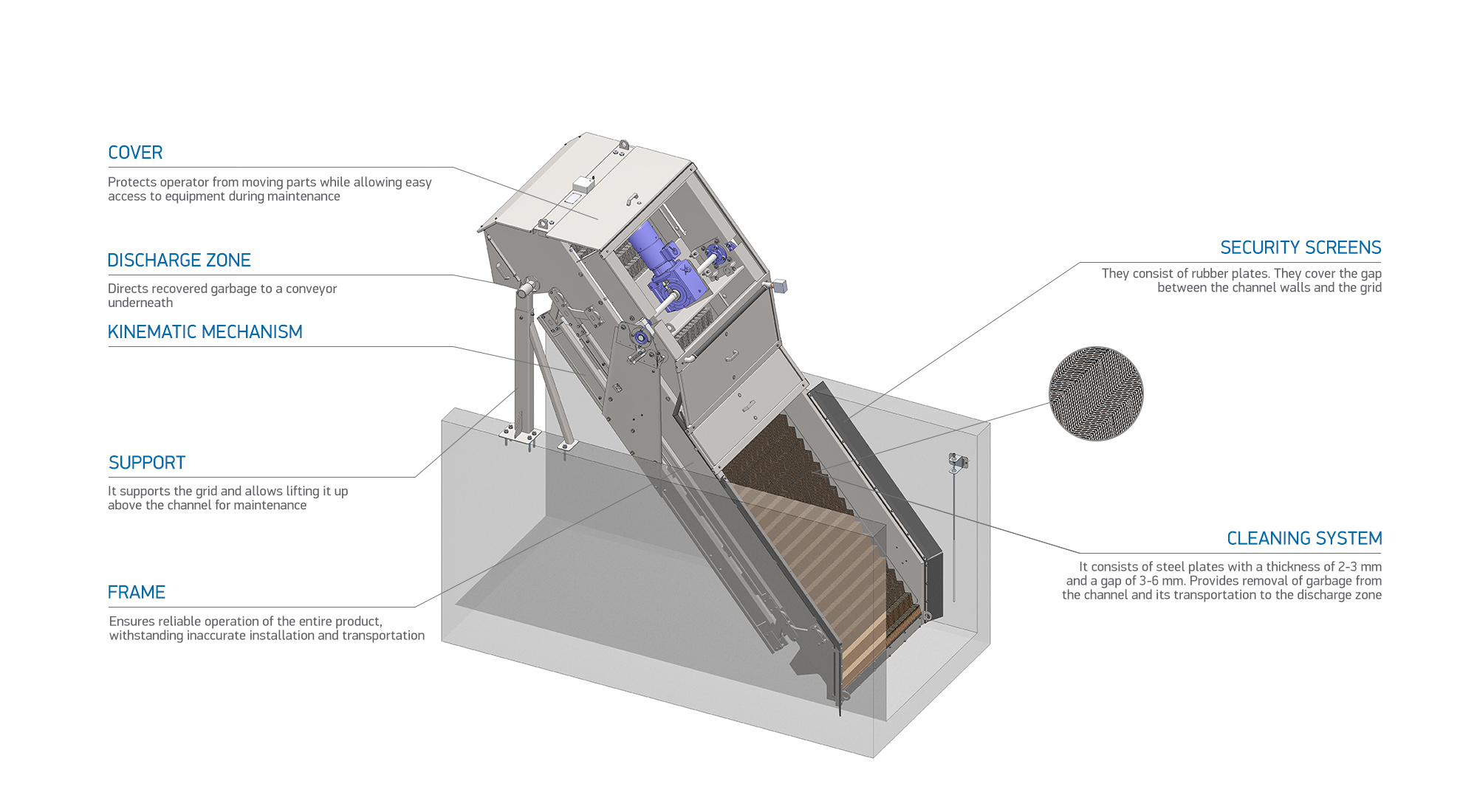
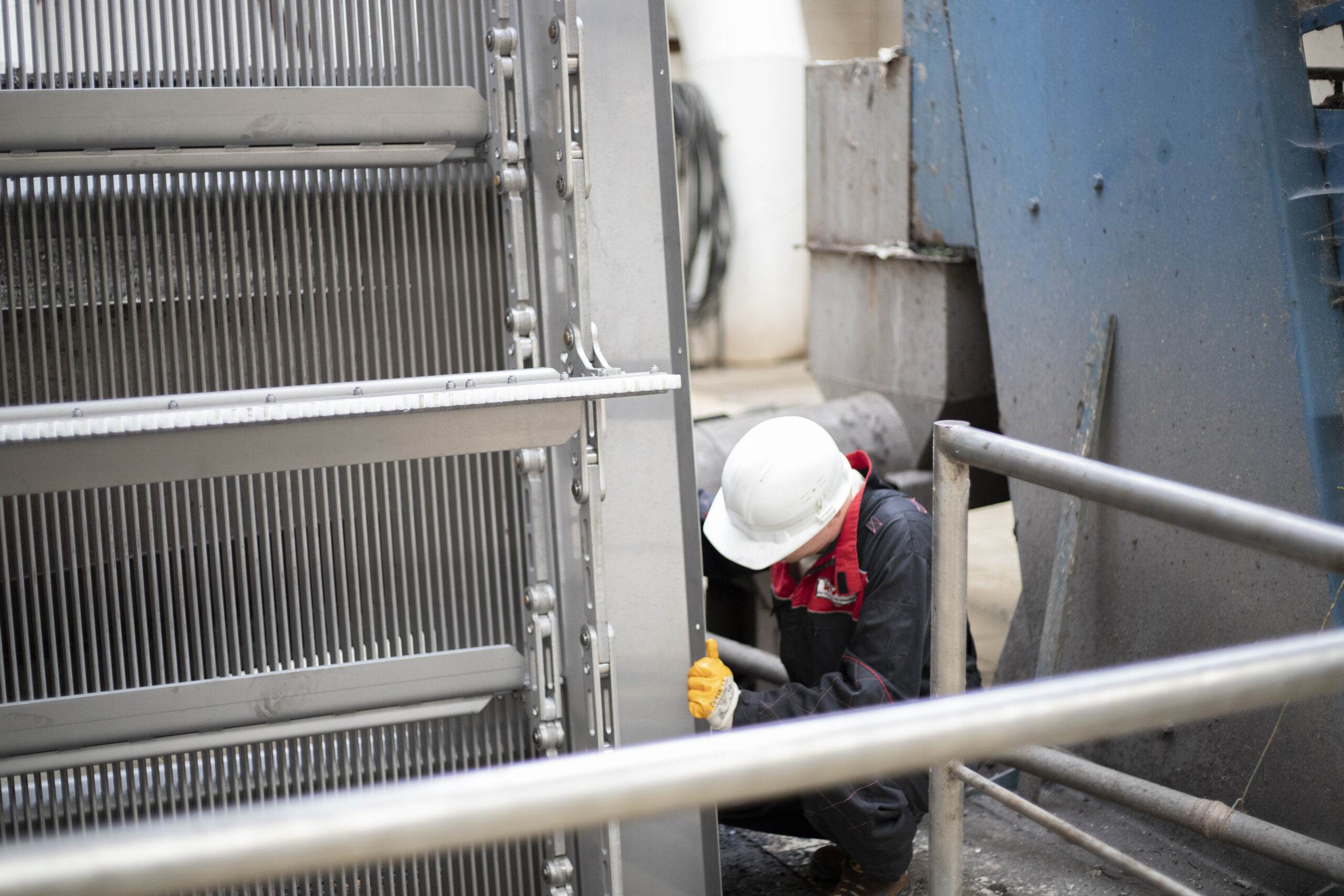
ESMIL RSK Step Screens are designed for the removal of fine solids. Their operation is based on a system of alternating moving and fixed lamellas, which ensures efficient screenings removal while maintaining a high level of screening surface performance.

ESMIL RSK Step Screen at the Mónosbél Wastewater Treatment Plant (Hungary)

Key design features of ESMIL Step Screens

  • Self-cleaning screening surface eliminates the need for additional brushes or washing systems.
  • Bar spacing reduced to 1 mm directly above the channel minimises the risk of retained solids falling back into the wastewater.
  • Screen lamellas manufactured from 2–3 mm thick stainless steel plate provide high hydraulic capacity.
  • Aeration system beneath the screening surface prevents the accumulation of sand and gravel, reducing the risk of screen blockage.

What should you consider when selecting the right mechanical wastewater screen?

Selecting the right mechanical wastewater screen has a direct impact on the efficiency of mechanical treatment and the performance of the entire treatment process. Bar spacing and screen capacity alone are not enough to determine the most suitable solution for a particular installation. The characteristics of the wastewater, hydraulic conditions, channel geometry and installation constraints are equally important.

Before selecting a mechanical wastewater screen, it is worth considering a few key questions.

1. What type of debris will the screen handle?

The characteristics of the wastewater directly influence the choice of screen design. Consider whether the wastewater contains primarily fibrous materials, large debris or fine suspended solids requiring more efficient separation.

2. What flow rates will the screen be required to handle?

Take into account the minimum, average and peak flow rates, as well as any anticipated future changes in hydraulic loading.

3. What are the channel dimensions?

The following parameters should be defined during the selection process:

  • Channel width
  • Channel depth
  • Installation depth
  • Required screenings discharge height

4. What hydraulic conditions must be maintained?

Important factors include:

  • Allowable headloss
  • Wastewater level upstream and downstream of the screen
  • Required bar or lamella spacing

5. Are there any additional project requirements?

Operational considerations should also be taken into account, including:

  • Construction materials
  • Screenings conveying method
  • Control and automation system
  • Installation conditions and maintenance access

Only by evaluating all of these parameters can the most appropriate solution be selected to match the actual operating conditions of the installation and the requirements of the treatment process.

Esmil Catenary Screen

Common mistakes when selecting mechanical wastewater screens
  • Selecting a screen based solely on bar spacing.
  • Failing to consider the characteristics of the incoming debris, such as fibrous materials or large screenings.
  • Sizing the screen only for the average flow rate, without accounting for peak flows.
  • Overlooking channel geometry and installation constraints.
  • Failing to consider the required screenings conveying method.
  • Ignoring future increases in flow or planned expansion of the facility.

Taking all of these factors into account significantly reduces the risk of selecting an unsuitable screen for the application.

Summary

Although all mechanical wastewater screens perform the same basic function, not every solution is suitable for every application. The choice of screen depends not only on the required bar spacing and capacity, but also on the characteristics of the wastewater, hydraulic conditions, channel geometry and installation constraints.

Taking these factors into account during the selection process helps minimise operational issues and ensures the selected solution matches the actual operating conditions and process requirements of the wastewater treatment plant.

If you are looking for a solution for a specific application, contact our team. We will help you select the mechanical wastewater screen best suited to the requirements of your project.

Esmil Group

Esmil Group stands as a premier global manufacturer, crafting cutting-edge equipment for wastewater treatment and sludge dewatering. Additionally, we specialize in delivering advanced membrane systems tailored to various industries.

EU Flag Esmil Group

Equipment for Wastewater Treatment & Sludge Dewatering.

EU Flag Esmil America

Equipment for Sludge Dewatering in the USA.

EU Flag Esmil Process Systems

Membrane Systems.